


A small living room can feel cramped very quickly. A sofa that’s too big, a coffee table in the wrong spot, or chairs pushed against every wall can make the room feel smaller than it really is. The good news is that you don’t need a bigger space to fix this. You need a smarter layout.
In this guide, you’ll learn how to arrange furniture in a small living room step by step. You’ll get simple rules, layout ideas, and practical tips that make the room feel open, comfortable, and easy to use.
Why Furniture Arrangement Matters in a Small Living Room
In a small space, every piece of furniture affects how the room looks and works. A good layout helps you:
- Create clear walking paths so the room doesn’t feel blocked
- Make the space look larger and brighter
- Improve comfort for conversation and relaxing
- Use every corner without crowding the room
- Keep the room tidy and flexible for guests
Before moving anything, remember one simple idea: less furniture, placed with purpose, always looks better than more furniture packed in.
Step-by-Step: How to Arrange Furniture in a Small Living Room
Step 1: Measure Your Room and Furniture
Start with a tape measure. Write down the length and width of the room, plus the position of doors, windows, radiators, and outlets. Then measure each piece of furniture you own.
Next, sketch a simple floor plan on paper, or use a free room planner app. Seeing it on paper helps you test layouts without lifting heavy sofas.
Step 2: Choose a Focal Point
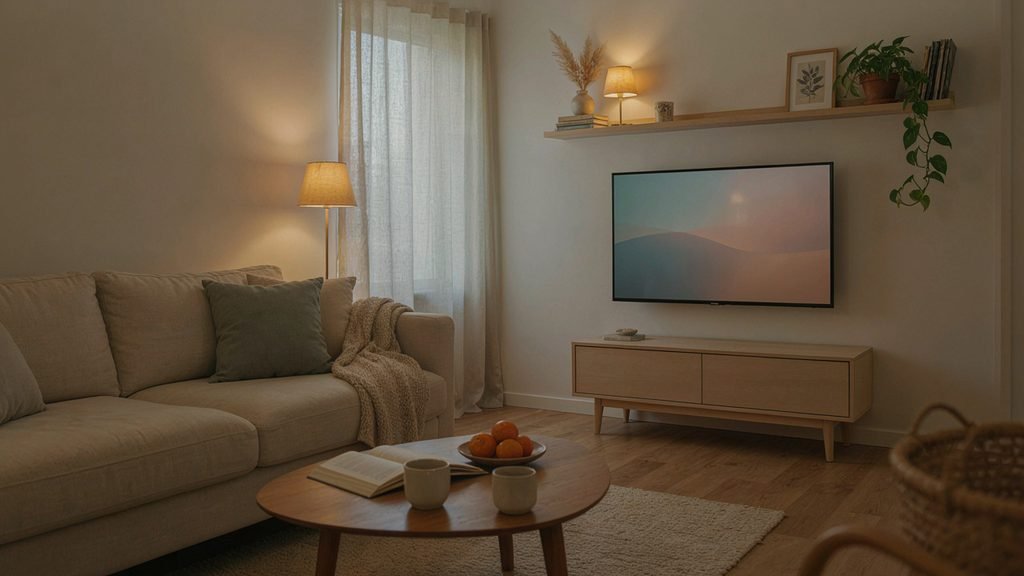
Every room needs one main point of interest. This could be:
- A TV or media wall
- A fireplace
- A large window with a view
- A statement piece of art
Arrange your main seating so it faces or relates to this focal point. If your room has both a TV and a window, pick the one you use most and let the other support it.
Step 3: Start With the Largest Piece
The sofa is usually the biggest item, so place it first. In a small room, the best options are:
- Against the longest wall: This leaves the most open floor space in the center.
- Facing the focal point: This works well for TV viewing and conversation.
- Floating slightly away from the wall: In some rooms, even a few inches of gap makes the space feel lighter. Do this only if the room allows it, otherwise keep the sofa against the wall.
Avoid blocking windows or doors with large furniture.
Step 4: Add Seating Around the Sofa
Once the sofa is placed, add one or two chairs or an ottoman. Keep seating within about 8 feet of each other so people can talk without raising their voices.
Good small-room options include:
- Two armchairs facing the sofa at an angle
- A loveseat instead of a full-size sofa
- Poufs or stools that can be tucked away when not needed
Step 5: Pick the Right Coffee Table
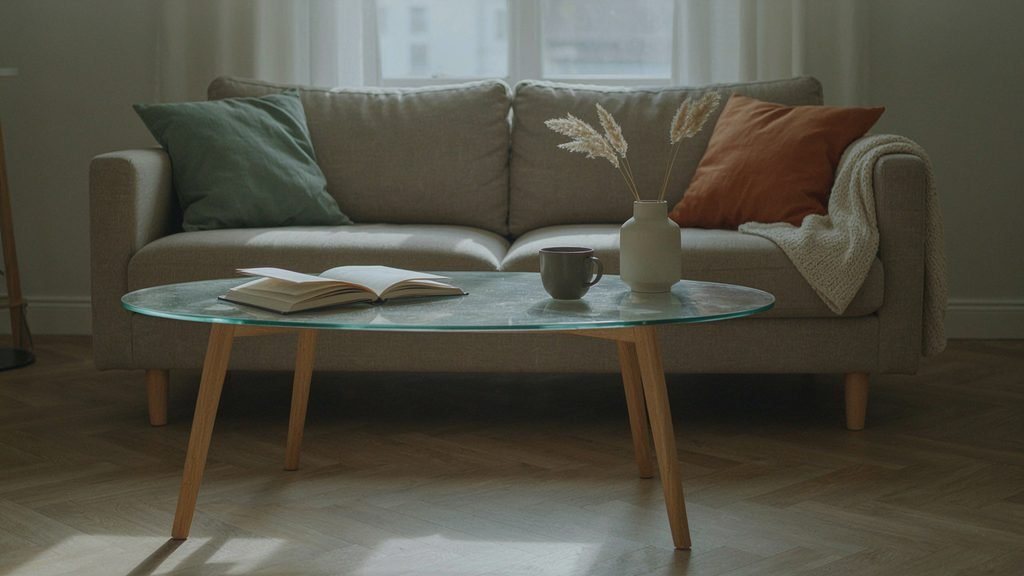
A coffee table should help the room, not block it. Try these ideas:
- A round or oval table with no sharp corners to improve flow
- A glass or open-leg table that lets you see the floor beneath it
- Nesting tables that you can separate or tuck together
- A lift-top table with hidden storage
Leave about 14 to 18 inches between the sofa and the coffee table so you can walk and reach your drink comfortably.
Step 6: Keep Clear Walkways
People should be able to move easily through the room. As a general guide:
- Leave 30 to 36 inches for main walking paths
- Keep at least 18 inches between furniture pieces
- Never block the doorway, a closet, or a window you open often
If you have to squeeze past furniture, the layout needs adjusting.
Step 7: Use Corners and Walls Wisely
Corners are often wasted in small rooms. Make use of them with:
- A slim bookshelf or ladder shelf
- A corner chair or a floor lamp
- A plant stand to add height and greenery
- A small console behind the sofa
For more ideas on stylish layouts, you can also explore our interior design ideas
for inspiration on balancing style and function.
Step 8: Add a Rug to Define the Space
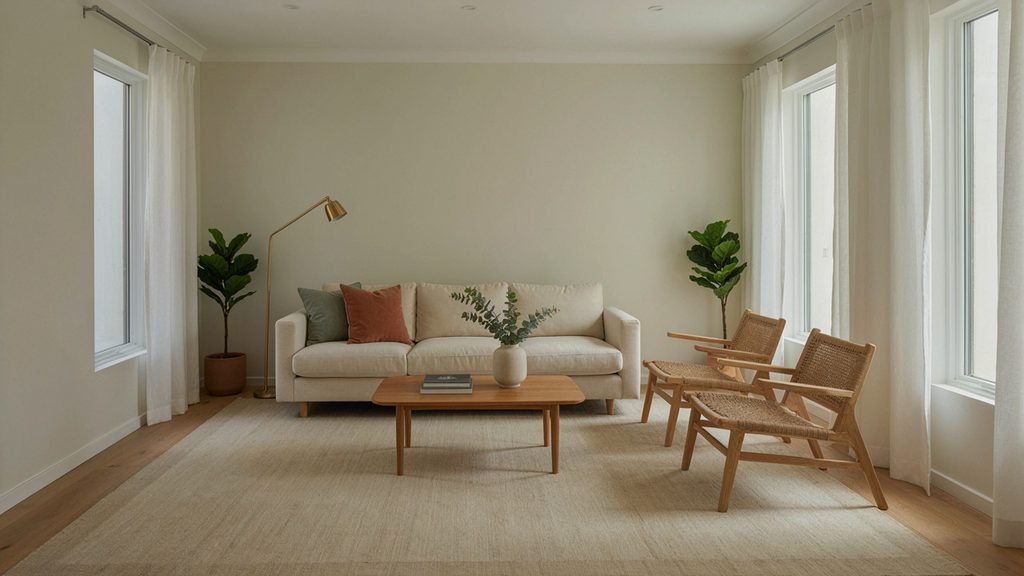
A rug helps anchor the seating area and makes the room feel organized. In a small living room:
- Choose a rug that is large enough for at least the front legs of the sofa and chairs to sit on it
- Avoid tiny rugs that look like they are floating in the middle
- Pick light or soft colors and simple patterns to keep the space airy
Step 9: Layer the Lighting
Good lighting changes how big a room feels. Instead of relying on a single ceiling light, add:
- A floor lamp in a corner
- A table lamp on a side table
- Wall sconces to save floor space
- Warm bulbs for a cozy mood
Step 10: Step Back and Test the Layout
Once everything is in place, walk through the room and sit in different spots. Check:
- Can you move without bumping into anything?
- Can everyone see the focal point?
- Is there a place to set a drink near every seat?
- Does the room feel balanced, not heavy on one side?
If something feels off, adjust it by a few inches and test again.
Small Living Room Layout Ideas
Here are a few layouts that work well in most small spaces.
Layout 1: The Simple Sofa and Chairs
Place a sofa against the longest wall, two chairs across from it at slight angles, and a small round table in the center. This layout is great for conversation.
Layout 2: The L-Shape Layout
Put a sofa along one wall and a loveseat or armchair on the adjacent wall. This frees up the center and opens a path through the room.
Layout 3: The Media Wall Layout
Place a low TV stand on one wall and a sofa facing it. Add a slim side table and a floor lamp. This is simple and ideal for narrow rooms.
Layout 4: The Open Plan Divider
If your living room connects to the dining area, use the back of the sofa to divide the zones. Add a slim console table behind it for storage or lamps.
Smart Tips to Make a Small Living Room Feel Bigger
- Choose furniture with exposed legs. You can see the floor under it, so the room feels lighter.
- Use multi-purpose pieces. Think storage ottomans, sofa beds, and nesting tables.
- Go vertical. Tall shelves and wall-mounted storage free up floor space.
- Add mirrors. A large mirror reflects light and adds depth.
- Stick to a calm color palette. Light neutrals and soft tones make the room feel open.
- Hang curtains high. Mounting them close to the ceiling makes the walls feel taller.
- Limit decor. A few well-chosen items look better than many small ones.
- Keep furniture in proportion. Oversized pieces overpower a small room.
Common Mistakes to Avoid
- Pushing everything against the walls. This can create an empty hole in the middle and make the room feel awkward.
- Buying furniture that’s too large. Always measure first.
- Blocking natural light. Keep windows free for brightness.
- Ignoring traffic flow. A beautiful room is useless if you can’t move through it.
- Using too many small items. Clutter makes a small space feel smaller.
- Skipping a rug or using one that’s too small. The room can feel disconnected.
- Placing a TV too high or too far away. Aim for a comfortable eye level when seated.
Frequently Asked Questions
What is the best way to arrange furniture in a small living room?
Start with a focal point, place the largest piece (usually the sofa) first, add one or two chairs, and keep walkways clear. Use a small coffee table and a rug to define the seating area.
Should I push furniture against the wall in a small room?
Not always. Placing a sofa against the longest wall works well, but pushing every piece against the wall can make the room feel empty. A slightly angled chair or a floating arrangement can add comfort and flow.
How much space should be between a sofa and a coffee table?
Leave about 14 to 18 inches. This gives enough room to walk and reach the table comfortably.
What size sofa is best for a small living room?
A loveseat or a compact 2 to 3 seater with slim arms and raised legs usually works best. Always measure the room and the doorway before buying.
How do I arrange furniture in a small, narrow living room?
Place the sofa along one of the long walls, keep the opposite side open for walking, and use slim furniture such as narrow console tables and small chairs. A long, narrow rug also helps guide the eye.
Where should the TV go in a small living room?
Place it on the wall that your seating faces, at a comfortable eye level when seated. Avoid placing it where sunlight causes glare.
Final Thoughts
Learning how to arrange furniture in a small living room is mostly about planning, proportion, and flow. Measure carefully, choose a clear focal point, place the sofa first, and keep walkways open. Add a few smart pieces, good lighting, and a well-sized rug, and even a compact room can feel spacious and welcoming.
Looking for more room-by-room ideas? Browse our Living Room category for more practical decorating guides.