

Introduction
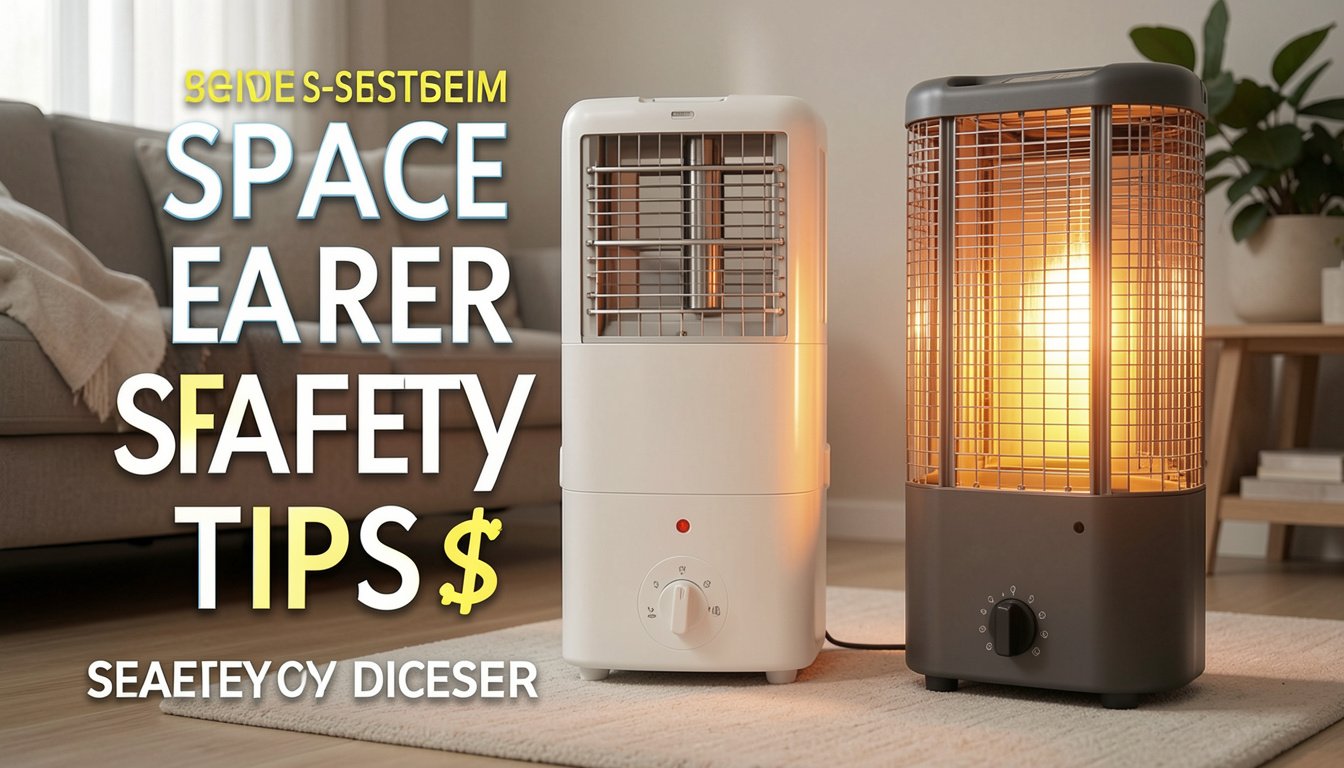
Space heaters are a popular way to warm up a room quickly and cut heating costs, but they’re also one of the leading causes of home heating fires. Portable heaters are involved in a significant share of home heating-related fires each year, often due to preventable mistakes like poor placement or faulty equipment. Understanding proper space heater safety doesn’t require much effort, but it can make the difference between a cozy room and a dangerous situation. This guide covers the essential space heater safety tips every homeowner should know before plugging one in.
Why Space Heater Safety Should Never Be an Afterthought
Space heaters generate concentrated heat in a small area, which means even a small mistake — like placing one too close to curtains or leaving it unattended — can quickly turn into a fire hazard. Beyond fire risk, faulty wiring or overloaded outlets can lead to electrical hazards or carbon monoxide exposure with certain fuel-burning models. Taking space heater safety seriously protects not just your property but your family’s health and wellbeing during colder months.

Choosing the Right Type of Space Heater
Different space heater types come with different safety profiles and ideal use cases. Choosing the right one for your space reduces risk and improves efficiency.
| Heater Type | Best Use | Safety Note |
| Ceramic | Small rooms | Auto shut-off recommended |
| Oil-filled radiator | Bedrooms overnight | Cooler surface, safer for extended use |
| Infrared | Quick spot heating | Surface can get very hot |
| Fan-forced | Fast warm-up | Needs clear airflow space |
Safe Placement and Setup Guidelines
Always place your space heater on a flat, hard, non-flammable surface at least three feet away from furniture, curtains, bedding, and paper products. Avoid running it on carpet or rugs, which can trap heat and pose a fire risk. Never place a heater in a doorway, hallway, or high-traffic area where it could be knocked over. If you have children or pets, choose a model with a protective grille and keep the unit out of reach when possible.

Electrical Safety Guidelines for Space Heaters
Space heaters draw significant electrical current, so proper outlet use matters as much as placement.
| Do | Don’t |
| Plug directly into a wall outlet | Use an extension cord |
| Use a dedicated outlet | Share an outlet with other high-draw appliances |
| Check cords for fraying regularly | Run cords under rugs |
| Unplug when not in use | Leave running unattended overnight |
When and How to Turn Off Your Space Heater
Never leave a space heater running while you sleep or leave the house, even for a few minutes. Most modern models include an automatic shut-off feature that activates if the unit tips over, which is worth prioritizing when purchasing. Before leaving a room, get in the habit of switching the heater off and unplugging it, especially in households with children or pets who might bump into it. This simple habit prevents the vast majority of space heater-related incidents.
Common Space Heater Mistakes to Avoid
- Running a heater on an extension cord or power strip
- Placing it near flammable materials like curtains or bedding
- Leaving it unattended while sleeping or away from home
- Using an outdated heater without auto shut-off features
- Ignoring unusual smells, sounds, or a hot cord
Practical Space Heater Safety Tips
- Choose a heater with both tip-over and overheat auto shut-off
- Test smoke alarms near heater-use areas at the start of the season
- Keep heaters at least three feet from anything flammable at all times
- Never use a space heater in a bathroom unless rated for damp locations
- Inspect the cord and plug for damage before each heating season
- Use a heater with the appropriate wattage for the room size
Frequently Asked Questions
Is it safe to leave a space heater on overnight?
It’s generally not recommended, even with auto shut-off features, since unattended heaters carry a higher fire risk.
Can space heaters cause carbon monoxide poisoning?
Electric space heaters do not produce carbon monoxide, but fuel-burning models like propane or kerosene can, and require proper ventilation.
How much space do I need around a space heater?
Keep at least three feet of clearance on all sides from furniture, bedding, curtains, and other flammable materials.
Can I use a space heater in a bathroom?
Only if it’s specifically rated for damp or bathroom use; standard models pose an electrical shock risk near water.
What size space heater do I need for my room?
As a general rule, you need about 10 watts of heating power per square foot of room space.
Are ceramic or oil-filled heaters safer?
Oil-filled heaters tend to have cooler outer surfaces and are often considered safer for extended or overnight use in low-traffic rooms.
Conclusion
Space heaters can be a safe, effective way to warm up a room when used correctly, but they require attention and respect for basic safety guidelines. From choosing the right type and placement to understanding electrical safety and auto shut-off features, small precautions go a long way toward preventing accidents. By following the space heater safety tips outlined in this guide, you can stay warm through the colder months while protecting your home and family from unnecessary risk.