

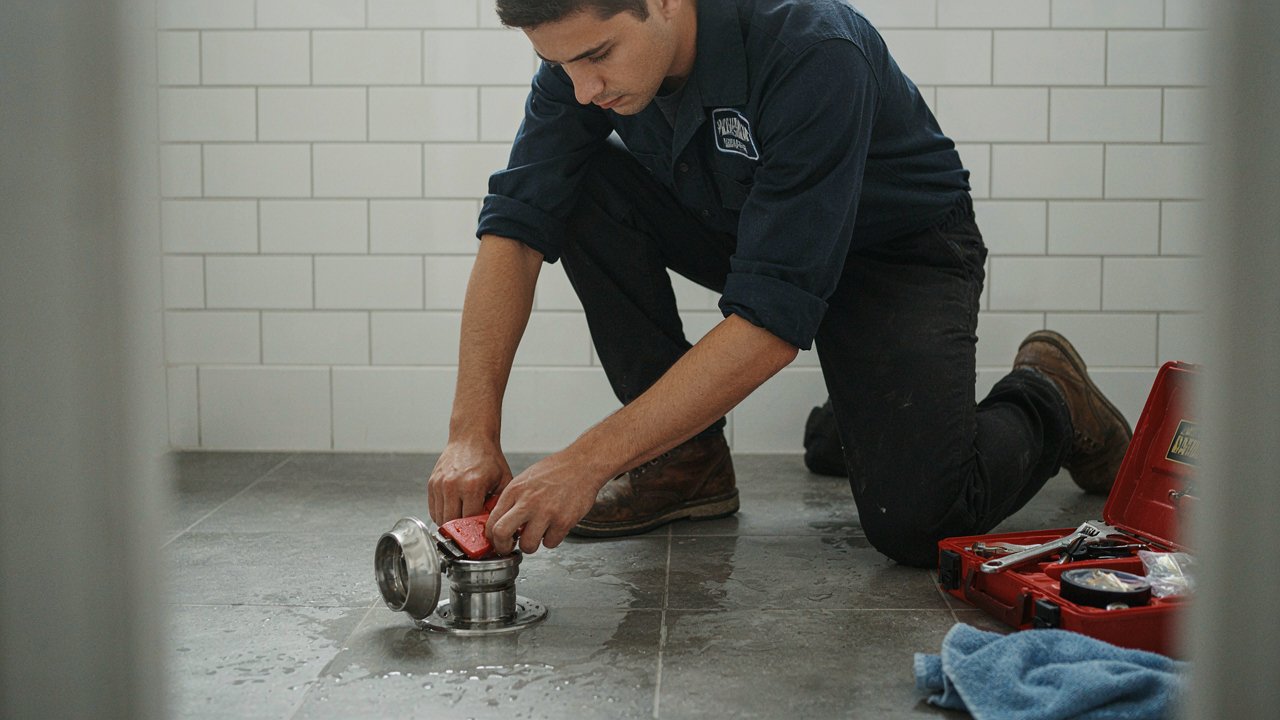
Introduction
A shower drain works hard every single day, carrying away water, soap residue, hair, and skin cells with barely a second thought from most homeowners. But like any plumbing component, shower drains wear out, and ignoring early warning signs can lead to water damage, mold growth, or a full bathroom renovation.
This guide explains the signs that indicate your shower drain needs a repair, how to tell the difference between a simple fix and a necessary replacement, and what steps to take next.
Why Shower Drains Wear Out Over Time
Shower drains are exposed to constant moisture, soap scum, hair, and mineral deposits from hard water, all of which contribute to gradual wear. Metal drain components can corrode, plastic fittings can crack under temperature changes, and seals around the drain flange often degrade after years of use.
Older homes with original plumbing are especially prone to drain issues since materials and installation standards have changed significantly over the decades.
Early Warning Signs of a Failing Shower Drain

The earliest signs of shower drain trouble are often easy to miss. Water draining more slowly than it used to is usually the first indicator, even before a full clog develops. A gurgling sound as water goes down can mean a partial blockage or a venting issue.
Persistent musty odors, even after cleaning, often mean organic buildup is trapped somewhere in the drain assembly rather than on the visible surface.
Shower Drain Symptoms by Severity
| Symptom | Severity Level | Recommended Action |
| Slightly slow drainage | Low | Clean with drain snake or enzyme cleaner |
| Occasional gurgling | Low-Medium | Check for venting or minor clog |
| Standing water during shower | Medium | Inspect and clear main clog |
| Water stains on ceiling below bathroom | High | Inspect for leak, may need replacement |
| Visible corrosion or cracks in drain | High | Replace drain assembly |
Serious Signs That Point to Replacement, Not Just Repair

Some signs go beyond a simple cleaning or repair and point directly to replacement. Visible rust or corrosion on a metal drain cover often means the underlying pipe material has deteriorated as well. Water stains appearing on the ceiling or wall below the bathroom indicate a leak at the drain seal, which usually requires removing and resealing or replacing the entire drain assembly.
Cracks in the drain body itself, even small hairline cracks, generally cannot be patched reliably and call for full replacement rather than a repair.
Repair vs Replacement Comparison
| Factor | Repair | Replacement |
| Typical cause | Minor clog or loose seal | Corrosion, cracks, or persistent leaks |
| Time required | Under an hour | Half a day, may require tile work |
| Recurrence risk | Higher if underlying cause remains | Low, addresses root cause |
| Best for | Newer drains, isolated issues | Drains over 15-20 years old |
How to Inspect Your Shower Drain at Home

A basic inspection can help you decide which category your problem falls into before calling a professional. Remove the drain cover and shine a flashlight down to check for visible debris, rust, or cracks. Run water for a minute and watch how quickly it drains, timing it if possible to compare against future checks.
Check the ceiling or wall in the room below the bathroom, if accessible, for any discoloration or soft spots that might indicate a hidden leak.
Tips for Extending Shower Drain Lifespan
- Use a hair catcher or mesh screen to prevent the most common cause of clogs
- Flush the drain monthly with hot water and a mild enzyme cleaner rather than harsh chemicals
- Avoid using metal tools to clear clogs, which can scratch or crack drain components
- Address slow drainage early rather than waiting for a full blockage
- Check exposed pipe connections in the basement or crawl space annually for corrosion
- Have drains inspected as part of any bathroom remodel, even if they seem to be working fine
Frequently Asked Questions
1. How do I know if my shower drain clog is serious?
If a plunger or drain snake doesn’t clear the clog after two attempts, or if gurgling and slow drainage persist, the clog may be deeper in the pipe system and worth a professional look.
2. Can a shower drain be repaired without removing tile?
In many cases, yes, especially if the issue is limited to the drain cover, trap, or the first section of pipe accessible from above.
3. What causes a musty smell from a shower drain that won’t go away?
Trapped organic matter such as hair, soap scum, and skin cells can decompose inside the drain, producing odor even after the visible surface is cleaned.
4. How long do shower drains typically last?
Most shower drains last between fifteen and twenty-five years depending on material and water quality, though hard water can shorten that lifespan.
5. Is a slow-draining shower always a sign of a clog?
Not always; slow drainage can also result from improper slope in the drain line or a partially closed shutoff valve, which a professional can diagnose.
6. Should I replace my shower drain during a bathroom remodel even if it still works?
If the drain is original to an older home or shows any signs of wear, replacing it during a remodel is often more cost-effective than dealing with it later after tile work is complete.
Conclusion
A shower drain rarely fails without warning. Slow drainage, gurgling sounds, and persistent odors are early signs worth addressing before they escalate into leaks, water damage, or the need for a full replacement. By inspecting your drain periodically and responding to these signs early, you can avoid more invasive shower drain repair work and keep your bathroom functioning smoothly for years to come.