

Introduction
Key Takeaways
- Design the outdoor space around how people will actually use it.
- Divide large backyards into practical outdoor rooms.
- Combine hardscape with layered planting for depth and structure.
- Use durable materials that complement the home’s architecture.
- Keep small courtyards open by controlling clutter and circulation.
- Add shade, seating, and lighting based on real lifestyle needs.
- Choose plants for their role in the overall design rather than selecting them individually.
A well-designed backyard or courtyard can become much more than an attractive outdoor area. With thoughtful planning, it can provide space for dining, relaxing, entertaining, gardening, or simply enjoying fresh air. KDArchitects Landscape Ideas From Morph emphasize the relationship between architecture, planting, movement, materials, and everyday use. The available source material describes a design approach that considers the site’s light, structure, circulation, and changing seasons before selecting plants.
For homeowners, this means starting with the way an outdoor space should function rather than choosing plants or decorations first. A successful design can combine defined outdoor rooms, durable materials, layered planting, comfortable seating, and practical pathways. Whether you have a large backyard or a compact courtyard, these principles can help you create an outdoor space that feels intentional and connected to the home.
1. Create Outdoor Rooms for Different Activities
One of the most useful approaches to modern landscape design is dividing a large outdoor area into functional zones. Instead of treating the entire backyard as one open space, create separate areas for different activities.
For example, one section can become an outdoor dining area, while another can provide comfortable seating for conversation. A smaller corner could serve as a quiet reading space or garden retreat.
You do not always need physical walls to define these areas. Changes in paving, planting beds, furniture placement, gravel, or low walls can create visual boundaries.
For a courtyard, this approach can make a limited space feel more purposeful. A central pathway can connect the entrance to a seating area, while plants along the edges add privacy and softness.
Think about how people will move through the space before deciding where everything should go. A dining area near the kitchen door may be more practical than placing it at the far end of the yard.
This people-first approach also makes the landscape easier to use. Instead of creating outdoor features simply because they look attractive, every element has a clear purpose.
2. Combine Hardscape With Layered Planting
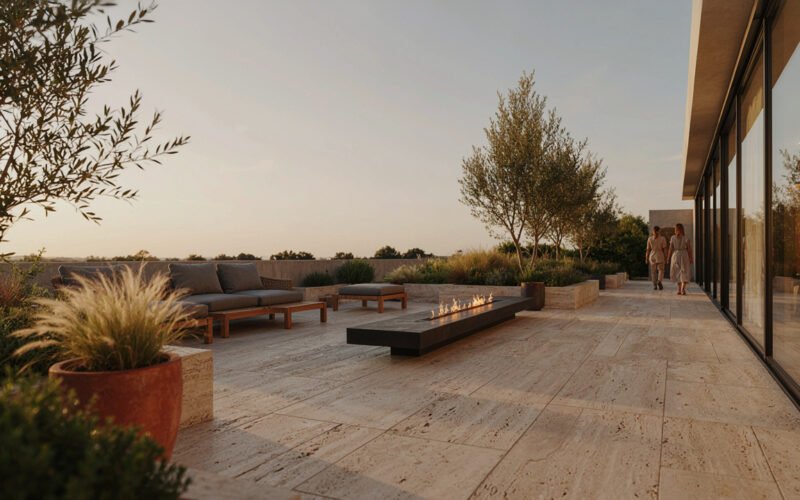
A modern landscape does not have to choose between hard surfaces and greenery. The two can work together to create structure, texture, and visual depth.
Hardscape can include patios, stone paths, gravel, retaining walls, timber elements, planters, and seating structures. Planting then softens these features and introduces seasonal changes.
The source material associated with Morph describes a layered planting approach using canopy, mid-story, and ground layers. Trees can provide height and shade, shrubs and grasses can add middle-level structure, while groundcovers complete the lower layer.
For a backyard, consider placing a focal tree near a seating area and surrounding it with lower plants. In a courtyard, a smaller tree or architectural plant can become a central feature without overwhelming the available space.
Materials should also complement the architecture of the home. Natural stone, timber, gravel, and weathering steel can create different visual effects.
Rather than adding many unrelated materials, choose a limited palette and repeat it throughout the space. This can make the landscape feel more cohesive and intentional.
3. Design Comfortable Backyards for Outdoor Living
A backyard becomes more valuable when people actually want to spend time there. Therefore, comfort should be considered alongside appearance.
Start by identifying when you are most likely to use the space. If you enjoy morning coffee outside, create a comfortable seating area that receives suitable morning light. If evening gatherings are more important, position seating and lighting accordingly.
Shade can make a major difference during warmer months. Trees, pergolas, umbrellas, or other suitable shade structures can make outdoor areas more comfortable.
You can also incorporate practical features such as an outdoor dining table, built-in seating, fire feature, cooking area, or simple garden bench. Choose features based on how your household uses the space.
Lighting is another important element. Low-level path lighting can help people move safely after dark, while carefully placed accent lighting can highlight trees, walls, or architectural features.
Avoid excessive lighting. The goal should be comfortable visibility and atmosphere rather than making every part of the yard equally bright.
Most importantly, leave enough open space for movement. A beautiful backyard can quickly become difficult to use if furniture and decorative features occupy every available area.
4. Make Courtyards Feel Larger and More Connected
Courtyards often have limited space, but thoughtful design can make them feel more open.
Start with circulation. A clear path can guide movement while creating a sense of order. Avoid filling the center with too many objects unless the space is specifically designed around a central feature.
Vertical elements can also add interest without consuming much floor space. Climbing plants, narrow trees, wall-mounted planters, and vertical screens can bring greenery upward.
Mirrors and reflective materials can sometimes create a greater sense of depth, but use them carefully and place them where they will not create distracting reflections.
Another useful strategy is to connect the courtyard visually with the interior. Similar flooring tones, materials, colors, or planting styles can create a smoother transition between indoor and outdoor spaces.
You can also frame a particular view. Instead of trying to decorate every wall, use planting or structural elements to draw attention toward one attractive feature.
The source material highlights the importance of considering movement between indoors and outdoors and understanding how people move through a site.
This makes a courtyard feel less like a separate enclosed area and more like an extension of the home.
Conclusion
Modern backyard and courtyard design works best when beauty and everyday function support each other. The ideas associated with KDArchitects Landscape Ideas From Morph emphasize structure, movement, planting layers, durable materials, and the relationship between architecture and outdoor space.
For homeowners, the most useful starting point is to understand how the space will actually be used. Create zones for dining, relaxing, gardening, and movement before choosing decorative elements. Then combine hardscape with layered planting, introduce comfortable seating, and use lighting thoughtfully.
You do not need a huge yard or an unlimited budget to apply these principles. Even a small courtyard can benefit from clear circulation, carefully selected plants, repeated materials, and a strong focal point. With thoughtful planning, your outdoor space can become a practical extension of your home rather than simply an area surrounding it.
Frequently Asked Questions
1. What are KDArchitects Landscape Ideas From Morph?
The phrase refers to landscape-design concepts associated with KDArchitects and Morph that emphasize the relationship between architecture, outdoor space, planting, materials, movement, and function. The approach focuses on designing the space before simply selecting plants.
2. How can I make my backyard look more modern?
Use a simple material palette, defined outdoor zones, clean pathways, comfortable furniture, layered planting, and carefully positioned lighting. Avoid overcrowding the space with too many unrelated decorative features.
3. How can I make a small courtyard feel bigger?
Keep circulation clear, use vertical planting, limit the number of materials, and create a strong focal point. Connecting outdoor colors and materials with the interior can also make the courtyard feel more integrated with the home.
4. What is layered planting in landscape design?
Layered planting combines plants at different heights. A typical arrangement may include taller trees or canopy plants, medium-height shrubs and grasses, and lower groundcovers. This creates depth and visual structure.
5. Should I plan hardscape before choosing plants?
In many designs, it is useful to establish major structures such as paths, patios, walls, and seating areas before finalizing planting. This gives plants a clear framework and helps prevent an overcrowded layout.
6. What materials work well in modern landscapes?
Natural stone, timber, gravel, concrete, and weathering steel can all work well when selected to suit the architecture and local conditions. The best choice depends on climate, maintenance needs, budget, and the desired appearance.
7. How can I make my backyard more useful?
Design it around real activities. Add seating where people naturally want to gather, place dining areas near convenient access points, provide shade where needed, and maintain enough open space for movement.
8. How much planting should a modern courtyard have?
There is no fixed amount. A smaller number of carefully positioned plants can create a stronger design than filling every available space. Focus on scale, structure, seasonal interest, and maintenance requirements.