

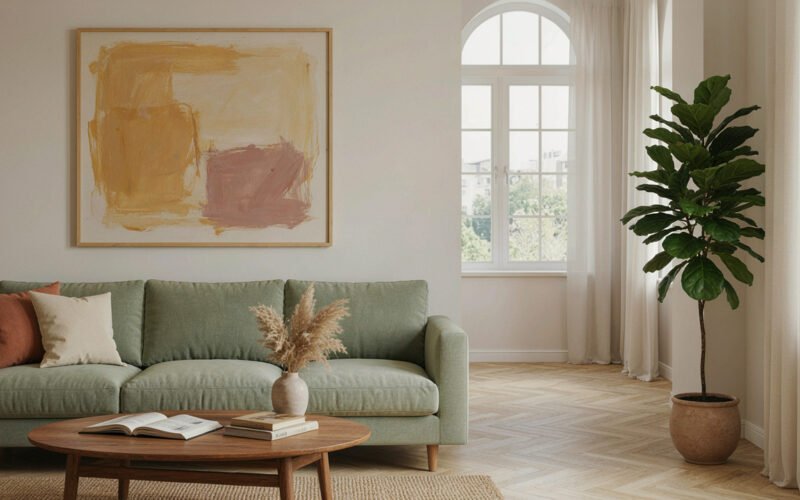
Introduction
Key Takeaways
- Consider natural and artificial lighting before choosing a color.
- Use existing furniture and finishes as part of your color-planning process.
- Select colors according to the room’s purpose and desired mood.
- Test paint samples under different lighting conditions.
- Use accent colors to add personality without overwhelming the space.
- Prioritize colors you genuinely enjoy rather than choosing a trend blindly.
Choosing colors for your home can feel difficult because paint, furniture, flooring, lighting, and decorations all influence how a room looks. A color that looks attractive in a showroom may appear completely different under your home’s lighting. Therefore, the best approach is to consider the entire room before choosing a final shade. These DesignMode24 Interior Design tips focus on practical decisions rather than short-lived trends. Start by considering the room’s purpose, natural light, existing finishes, and the mood you want to create. Then test a few colors before committing to a large area. With a thoughtful approach, you can create rooms that feel balanced, comfortable, and connected without making every wall the same color.
1. Consider the Room’s Natural and Artificial Light
Lighting should be one of the first things you consider when choosing a home color. The same paint can look noticeably different in direct sunlight, shade, and artificial light.
Begin by observing the room at different times of the day. A color that looks warm in morning sunlight may appear cooler later in the afternoon. Likewise, artificial bulbs can change how certain shades appear after sunset.
Rooms with large windows usually receive more natural light. You may have greater flexibility with deeper or richer colors in these spaces. Darker rooms, on the other hand, can benefit from lighter shades that reflect more available light.
However, brightness is not the only consideration. If a room already has warm wood flooring or furniture, a warm neutral may create a more cohesive appearance. Cool-toned finishes may work better with cooler wall colors.
Before painting, test samples directly on the wall. Look at them during both daytime and evening. This simple step can prevent an expensive color choice that does not work once it covers the entire room.
2. Match Colors With Existing Furniture and Finishes
You do not need to choose a wall color before considering your furniture. In many rooms, existing furnishings provide the best starting point.
Look at your sofa, rugs, curtains, flooring, cabinets, artwork, and other permanent elements. Identify the colors that appear repeatedly. Then choose a wall shade that complements those tones instead of competing with them.
For example, a room with natural wood furniture may work well with soft neutral or earthy shades. A room with bold furniture may benefit from quieter walls that allow the furnishings to remain the visual focus.
You can also use the 60-30-10 approach as a general design guideline. A dominant color can cover most of the room, a secondary color can support it through furniture or textiles, and a smaller accent color can add visual interest.
This is only a guideline, not a strict rule. Your home does not need to follow a mathematical formula to look attractive.
Most importantly, avoid selecting colors in isolation. Hold paint samples next to your flooring, upholstery, and other major finishes. A color that looks perfect by itself may clash with an existing material.
3. Choose Colors Based on the Mood You Want
Color can influence the overall feeling of a room, so think about how you want the space to function.
Bedrooms often benefit from calm, comfortable shades because they are primarily used for rest. Living rooms can support a wider range of colors depending on the furniture and atmosphere you prefer.
For work areas, choose colors that you find comfortable for extended periods. Kitchens may work well with clean neutrals, warm tones, or colors that complement cabinets and countertops.
You also do not need to use the same color intensity throughout your home. A neutral base can connect different rooms while carefully selected accent colors add personality.
If you enjoy bold colors, consider using them on one feature wall, inside built-in shelving, or through accessories. This approach allows you to introduce stronger shades without making the entire room feel overwhelming.
At the same time, personal preference matters. Color recommendations can provide direction, but your home should reflect the people who live there.
Instead of choosing a color simply because it is currently popular, ask whether you will still enjoy seeing it every day.
4. Test Samples Before Making a Final Decision
One of the most useful steps in choosing a home color is testing it before purchasing enough paint for the entire room.
Paint a small section of the wall or use large sample boards. Place the sample near windows, furniture, flooring, and other important finishes.
Observe it at different times. Check the color in daylight, under your normal evening lighting, and from different parts of the room.
If you are choosing several colors for connected spaces, compare the samples together. Colors that look attractive individually may create an uncomfortable transition when placed next to one another.
Also consider the finish. Matte, eggshell, satin, and other finishes can affect how a color reflects light and how the surface looks.
Do not rush this stage. A few days of observation can provide much more useful information than choosing a color from a small printed card.
Once you are confident, calculate how much paint you need and follow the manufacturer’s recommendations for surface preparation and application.
Conclusion
Choosing the right colors becomes easier when you consider the whole room rather than focusing on paint alone. Look at natural and artificial lighting, existing furniture, flooring, cabinets, and the mood you want to create. These DesignMode24 Interior Design principles can help you make decisions that feel intentional without following every design trend. Most importantly, test your preferred colors before committing to a full room. Observe the samples at different times of day and compare them with your existing finishes. Remember that there is no single perfect color for every home. The best choice is one that works with your space, suits its purpose, and reflects your personal taste. A thoughtful color plan can make your home feel more cohesive and comfortable.
Frequently Asked Questions
1. How do I choose the best color for my room?
Start by considering the room’s lighting, purpose, existing furniture, flooring, and the atmosphere you want. Test several samples before selecting the final color.
2. Should all rooms in a home have the same color?
No. Different rooms can have different colors. However, using complementary shades or a consistent neutral base can help create a cohesive flow between connected spaces.
3. How does lighting affect paint color?
Natural and artificial lighting can change how a color appears. A shade may look warmer, cooler, lighter, or darker depending on the time of day and type of lighting.
4. What colors make a small room look larger?
Light and relatively soft colors can help a room feel more open, particularly when combined with good lighting and limited visual clutter. However, the result also depends on furniture and room layout.
5. Should I match my wall color to my furniture?
Your wall color does not need to match your furniture exactly. Instead, choose colors that complement the furniture, flooring, curtains, and other major elements.
6. How many colors should I use in one room?
There is no fixed number. A simple palette with a dominant shade, a supporting color, and one or two accents can create balance without making the room feel visually busy.
7. Should I test paint before painting the entire room?
Yes. Testing a sample is strongly recommended. Observe it under different lighting conditions and compare it with your existing furniture and finishes.
8. How do I choose an accent color?
Choose an accent that complements the room’s main colors. You can introduce it through a feature wall, cushions, artwork, rugs, curtains, or smaller decorative pieces.