

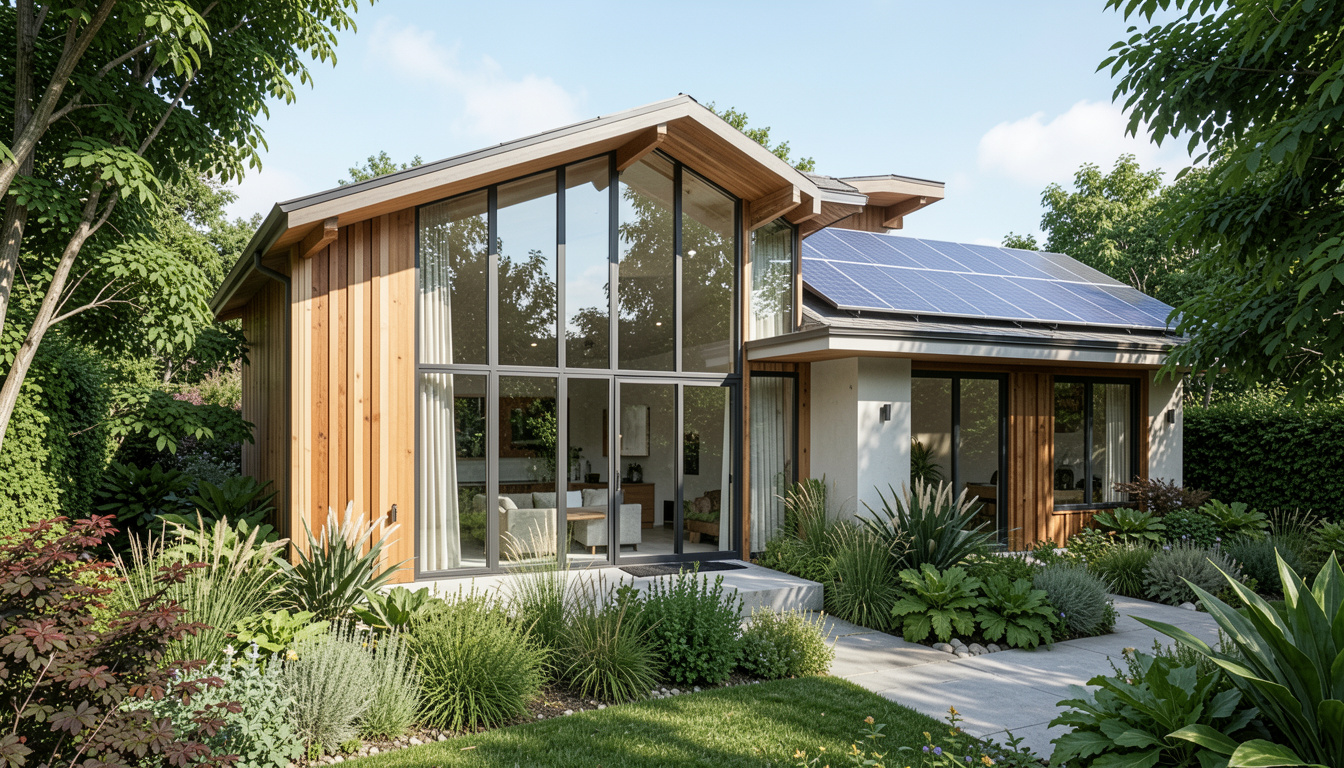
Best Energy-Efficient Home Improvements
Rising utility costs have encouraged many homeowners to look for smarter ways to reduce energy consumption without sacrificing comfort. Investing in the best energy-efficient home improvements can lower monthly bills, improve indoor temperatures, and even increase your property’s market value. Many of these upgrades require a modest investment but continue delivering savings for years. Whether you own an older house or a newly built home, improving energy efficiency is one of the smartest long-term decisions you can make.
One of the most effective improvements is upgrading your home’s insulation. Poor insulation allows heated or cooled air to escape, forcing your HVAC system to work harder throughout the year. Adding insulation to the attic, walls, and crawl spaces helps maintain a consistent indoor temperature while reducing energy waste. Sealing air leaks around windows, doors, electrical outlets, and plumbing openings further improves efficiency by preventing unwanted drafts. Together, these improvements make your home more comfortable during every season.
Replacing old windows is another worthwhile investment. Modern energy-efficient windows feature double or triple-pane glass with insulated frames that reduce heat transfer. If replacing windows is outside your budget, installing weather stripping and applying window insulation film can still improve performance. Heavy curtains or insulated blinds also help regulate indoor temperatures by blocking excessive heat during summer and retaining warmth during winter.
Your heating and cooling system has a major impact on household energy usage. Regular HVAC maintenance ensures the system runs efficiently throughout the year. Replacing dirty air filters every one to three months improves airflow while reducing strain on the equipment. If your system is over 15 years old, upgrading to a high-efficiency HVAC unit can significantly reduce operating costs while improving indoor comfort.
Lighting upgrades offer one of the quickest returns on investment. Replacing traditional incandescent bulbs with LED lighting reduces electricity usage while providing brighter illumination and a much longer lifespan. LED bulbs generate less heat, require fewer replacements, and are available in a wide range of brightness levels and color temperatures. Installing motion sensors or smart lighting controls further reduces unnecessary energy consumption in less frequently used areas.
Smart thermostats have become increasingly popular because they automatically adjust temperatures based on your daily schedule. These devices reduce energy waste by lowering heating and cooling when the home is empty and restoring comfortable temperatures before you return. Many models can be controlled remotely through smartphone apps, giving homeowners greater control over energy usage and monthly utility costs.
Water heating is another area where efficiency improvements can produce noticeable savings. Installing a high-efficiency water heater or insulating your existing water heater and hot water pipes reduces energy loss. Low-flow showerheads and water-saving faucets decrease hot water consumption while maintaining good performance. These simple upgrades help lower both water and energy bills throughout the year.
Kitchen and laundry appliances also contribute to household energy usage. Replacing older refrigerators, dishwashers, washing machines, and dryers with energy-efficient models reduces electricity and water consumption while offering improved performance. Although these appliances require an upfront investment, the long-term savings often offset the initial purchase price over time.
The best energy-efficient home improvements combine practical upgrades with long-term financial benefits. Better insulation, efficient windows, LED lighting, smart thermostats, modern HVAC systems, and energy-saving appliances all work together to reduce operating costs while improving everyday comfort. By making gradual improvements based on your budget, you can create a home that is more environmentally friendly, more comfortable to live in, and less expensive to maintain for years to come.