


Your first winter in your own home can feel stressful. Nobody warns you that a frozen pipe, a clogged gutter, or a neglected furnace can turn into a repair bill worth thousands. The good news is that most winter damage is easy to prevent with a little planning in the fall.
This home winterizing checklist for first-time homeowners walks you through every task, from the most urgent to the nice-to-have. You can tackle it over a few weekends, and you don’t need to be a handyman to finish it.
What Does It Mean to Winterize Your Home?
Winterizing means preparing your house for cold weather so that it stays warm, safe, and free from damage. The main goals are to:
- Prevent frozen and burst pipes
- Keep heat inside and cold air outside
- Make sure your heating system works safely
- Protect the roof, gutters, and exterior from ice and snow
- Lower your energy bills
Start early, ideally before the first hard freeze in your area. Even if temperatures are still mild, doing these jobs now is much easier than doing them in freezing weather.
Before You Start: Tools and Supplies
Having everything ready saves time. A basic kit for most tasks includes:
- Ladder and work gloves
- Caulk gun and exterior-grade caulk
- Weatherstripping and door sweeps
- Foam pipe insulation sleeves
- Flashlight and screwdriver set
- Spare furnace filters
- Plastic window insulation film (optional)
- Safety glasses
The Complete Home Winterizing Checklist
1. Heating System
Your furnace or heater is the most important system in your home during winter. A breakdown in the middle of a cold snap is stressful and expensive.
- Schedule a professional furnace tune-up. A technician can check safety parts, clean components, and catch small problems early. Book early, because fall appointments fill up fast.
- Replace the furnace filter. A clogged filter makes your system work harder and lowers air quality. Learn the right schedule in our guide on how often to change your furnace filter.
- Test the thermostat. Make sure it switches on the heat and responds correctly. If you have an old one, consider a programmable or smart thermostat to save energy.
- Keep vents clear. Move furniture, rugs, and curtains away from heating vents and radiators.
- Know your backup plan. Learn where the furnace shutoff is and keep the phone number of a local heating company handy.
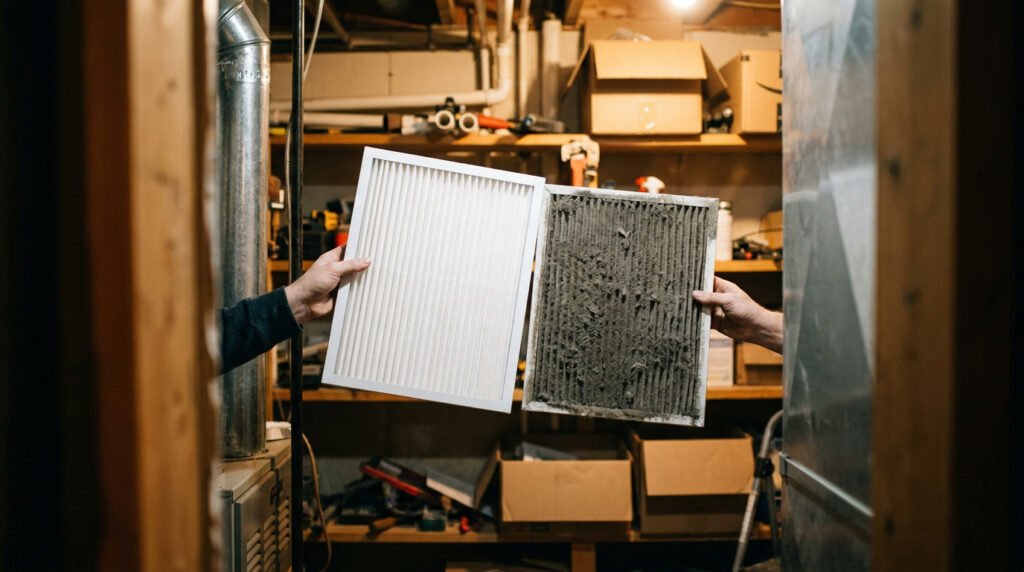
Frozen pipes are one of the most common and costly winter problems. When water freezes it expands, which can crack the pipe and cause flooding when it thaws.
- Disconnect garden hoses. Drain them and store them indoors. A hose left attached can trap water and freeze back into the pipe.
- Shut off and drain outdoor faucets. If your home has an interior shutoff valve for outdoor taps, close it and open the outside faucet to let any water drain out.
- Insulate exposed pipes. Focus on pipes in unheated spaces such as the basement, attic, crawl space, and garage. Foam sleeves are cheap and easy to install.
- Find your main water shutoff valve. Make sure every adult in the house knows where it is and how to close it in an emergency.
- Know the risk areas. Pipes along exterior walls and under sinks are the most likely to freeze.
- Drain and service your water heater if needed. Check the manual for the recommended schedule, and make sure the temperature is set to a safe level.
3. Windows and Doors
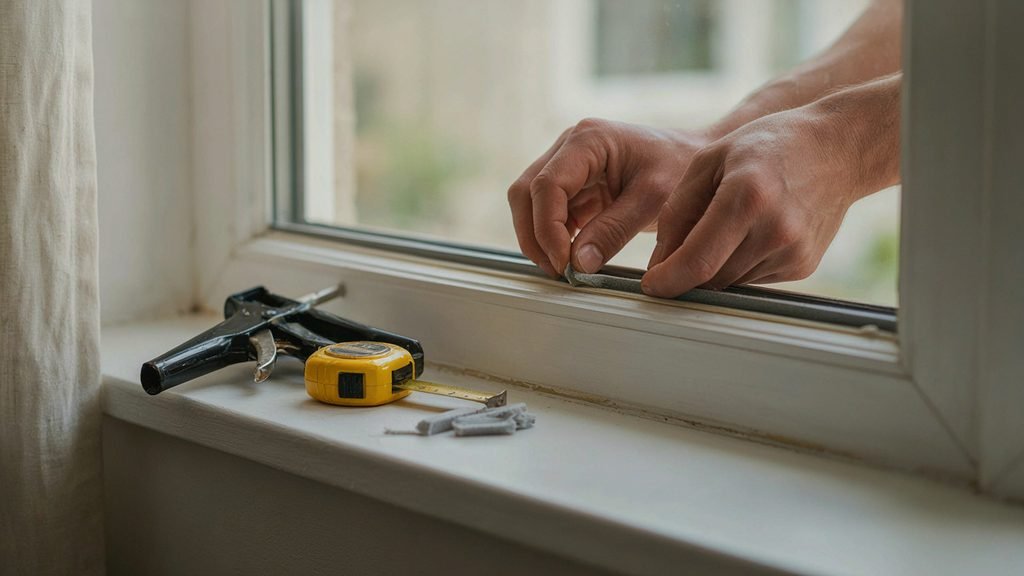
Drafts around windows and doors can waste a lot of heat. Sealing them is one of the cheapest ways to improve comfort.
- Check for drafts. On a windy day, hold a lit candle or incense stick near window and door frames. If the flame flickers, air is leaking.
- Add or replace weatherstripping. Fix worn or cracked seals around doors and operable windows.
- Install door sweeps. These close the gap at the bottom of exterior doors.
- Caulk gaps. Seal cracks around window frames and where different materials meet.
- Use window insulation film. A clear plastic film kit adds an extra layer to older single-pane windows.
- Hang thick curtains. Open them in the day to let in sunlight, and close them at night to hold heat.
4. Roof, Gutters, and Exterior
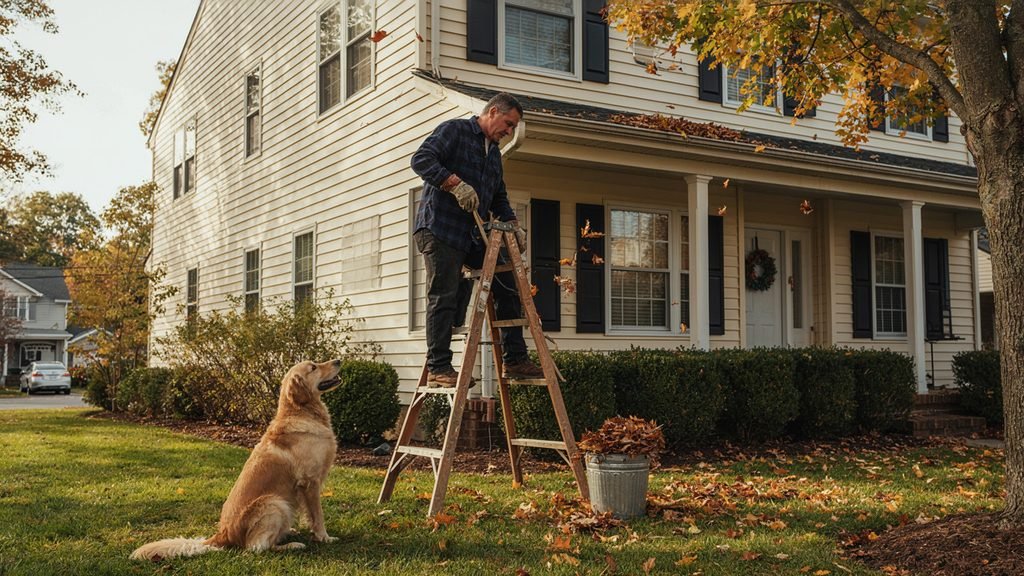
Water that can’t drain properly can freeze and damage your roof, gutters, and foundation.
- Clean the gutters and downspouts. Remove leaves and debris so melting snow can flow away. Make sure downspouts direct water several feet from the foundation.
- Inspect the roof. Look for missing, cracked, or curling shingles. Use binoculars from the ground if you don’t want to climb up.
- Check the flashing. Look at the metal around chimneys, vents, and skylights for gaps.
- Trim tree branches. Cut back limbs that hang over the roof or power lines, since heavy snow and ice can snap them.
- Inspect siding and the foundation. Seal visible cracks to keep out moisture and pests.
- Store outdoor furniture and equipment. Cover or move patio sets, grills, and tools into a shed or garage.
- Turn off and drain irrigation systems. Sprinkler lines can freeze and crack.
5. Attic and Insulation
Heat rises, and a poorly insulated attic lets it escape through the roof.
- Check attic insulation depth. Recommended levels vary by climate zone, so look up the guidance for your area. Adding insulation is often one of the best returns on investment.
- Seal air leaks. Look for gaps around pipes, wires, and recessed lights that lead into the attic.
- Insulate the attic hatch or door. This area is often overlooked.
- Keep ventilation open. Insulation shouldn’t block attic vents, since proper airflow helps prevent moisture and ice dams.
6. Fireplace and Chimney
If you have a fireplace or wood stove, safety comes first.
- Have the chimney inspected and cleaned. Creosote buildup can cause chimney fires.
- Check the damper. Make sure it opens and closes fully.
- Use dry, seasoned wood only. Store it away from the house.
- Keep a screen in front of the fire and clear flammable items from the area.
- Close the damper when not in use to stop warm air from escaping up the chimney.
7. Safety Devices
Winter brings a higher risk of house fires and carbon monoxide leaks because heating equipment runs more often.
- Test smoke detectors and replace the batteries. Replace units that are more than 10 years old.
- Install carbon monoxide detectors on every level and near bedrooms. They are essential if you use gas appliances or a fireplace.
- Check fire extinguishers. Keep one in the kitchen and know how to use it.
- Use space heaters safely. Plug them directly into the wall, keep them away from anything flammable, and never leave them running unattended.
- Know your escape plan and practice it with everyone in the household.
8. Interior Comfort and Efficiency
Small changes inside your home make a noticeable difference.
- Reverse ceiling fans. Many fans have a switch that makes them spin clockwise at low speed, pushing warm air down from the ceiling.
- Bleed radiators if you have them, so they heat evenly.
- Seal outlets and switch plates on exterior walls with foam gaskets.
- Add rugs on bare floors to make rooms feel warmer.
- Use a humidifier if the air feels very dry, and keep humidity at a healthy level to avoid mold or window condensation.
- Close doors to unused rooms, but keep some heat flowing so pipes in those rooms don’t freeze.
9. Winter Emergency Preparedness
Power cuts and storms can happen with little warning.
- Build an emergency kit with flashlights, extra batteries, a battery-powered radio, blankets, bottled water, and non-perishable food.
- Stock up on essentials like medications, pet food, and baby supplies.
- Keep snow tools ready: shovels, ice melt, and sand for traction.
- Charge power banks and phones before storms arrive.
- Write down emergency numbers, including your utility company, plumber, and electrician.
- Keep your car winter-ready with an emergency kit, windshield fluid, and good tires.
Tips for Going Away During Winter
If you travel during the cold months, take these steps before you leave:
- Set the thermostat to a safe minimum (many experts recommend no lower than 55°F or 13°C).
- Open cabinet doors under sinks to let warm air reach the pipes.
- Ask a neighbor or friend to check the house.
- Shut off the main water valve and drain the pipes if you will be away for a long period, if your plumber advises it.
Common First-Time Homeowner Mistakes to Avoid
- Waiting until the first freeze. Start your checklist in early fall.
- Ignoring small drafts. They add up to higher bills.
- Setting the heat very low to save money. This can lead to frozen pipes.
- Using an oven to heat the house. It is unsafe and can create carbon monoxide risks.
- Skipping the smoke and carbon monoxide detector checks.
- Forgetting to clean the gutters. Ice dams and water damage can be costly.
Frequently Asked Questions
When should I start winterizing my home?
Start in early fall, ideally a month or two before the first expected freeze. This gives you time to schedule professionals and buy supplies.
How much does it cost to winterize a house?
Costs vary widely. DIY tasks like weatherstripping and pipe insulation can cost under a few hundred dollars. Professional tune-ups, chimney cleaning, or added insulation will cost more.
What is the most important thing to winterize first?
Prioritize your heating system and your pipes. A furnace failure or burst pipe causes the most expensive and stressful damage.
Should I leave my faucets dripping in freezing weather?
During extreme cold, a slow drip can help prevent pipes from freezing because moving water is harder to freeze. It is mostly used for pipes in vulnerable areas on very cold nights.
What temperature should I keep my house in winter?
Many households choose about 68°F (20°C) while home and a lower setting while away or asleep. Never let the temperature drop below around 55°F (13°C) in an occupied or unoccupied home.
Do I need to winterize a house in a mild climate?
Yes, in a lighter way. Even mild regions can have occasional cold snaps. Insulating exposed pipes, sealing drafts, and servicing your heater are still smart steps.
Final Thoughts
This home winterizing checklist for first-time homeowners may look long, but you don’t need to do everything at once. Start with the big priorities: your heating system, pipes, and safety devices. Then work through drafts, gutters, and insulation as time allows.
A little effort now means a warmer, safer, and cheaper winter. Want more guides to keep your home in top shape? Browse our Home Improvement category.