

Introduction
Key Takeaways
- Small bathroom changes can create a major improvement in comfort and appearance.
- Replace worn fixtures with products that fit your existing plumbing and layout.
- Improve lighting while paying close attention to bathroom electrical safety.
- Use ventilation and moisture control to protect the bathroom over time.
- Add storage strategically instead of overcrowding the room.
- Fix leaks and moisture problems before making cosmetic improvements.
A bathroom upgrade does not always require a major renovation. In many homes, small improvements can make the space more comfortable, attractive, and practical. The right changes can also improve storage, lighting, water efficiency, and daily convenience. This home upgrading advice mintpalment Guide focuses on affordable ideas that homeowners can use without completely rebuilding their bathrooms. Before starting a project, consider your bathroom’s current condition, your budget, and the improvements that will provide the most value. For example, replacing outdated fixtures may create a noticeable change without expensive construction. Likewise, better lighting, fresh paint, and organized storage can make a small bathroom feel cleaner and more spacious.
1. Upgrade Bathroom Fixtures for a Fresh Look
One of the easiest ways to improve a bathroom is to replace old fixtures. Faucets, showerheads, cabinet handles, towel bars, and toilet accessories can become outdated or worn over time. Fortunately, replacing these items usually requires less work than changing walls, flooring, or plumbing.
Start with the fixtures that show the most wear. A modern faucet can give a sink area a cleaner appearance. Similarly, a new showerhead can improve the shower experience while some water-efficient models can help reduce water use.
However, choose fixtures based on both appearance and function. A stylish faucet is not a good upgrade if it does not fit the existing sink or plumbing connections. Measure the area before purchasing anything.
You can also create a consistent look by selecting finishes that work together. For instance, matching cabinet hardware, faucets, and towel bars can make the bathroom feel more coordinated.
Before removing an old fixture, shut off the appropriate water supply. If a replacement requires changes to existing plumbing, consider hiring a qualified professional. A small mistake can lead to leaks and water damage.
2. Improve Bathroom Lighting and Ventilation
Good lighting can completely change how a bathroom looks and feels. Dark bathrooms often appear smaller, while well-planned lighting can make the space feel brighter and more comfortable.
Begin by checking the existing lighting. If the room has only one ceiling fixture, consider adding task lighting around the mirror. Proper mirror lighting is especially useful for grooming and other daily activities.
LED bulbs can also provide an efficient lighting option. Choose a suitable brightness and color temperature for the space. In addition, make sure all electrical work follows local safety requirements. Bathrooms contain water, so electrical installations require extra care.
Ventilation deserves equal attention. Excess moisture can contribute to condensation, unpleasant odors, peeling paint, and mold growth. A properly functioning exhaust fan can help move humid air outside.
Therefore, clean the fan regularly and make sure it vents outdoors rather than into an enclosed space such as an attic. If the bathroom remains damp even when the fan operates, investigate the cause instead of simply ignoring the moisture.
Together, better lighting and ventilation can improve both comfort and long-term bathroom maintenance.
3. Add Practical Storage Without Major Remodeling
Bathroom clutter can make even a large space feel uncomfortable. Fortunately, you can add storage without removing walls or changing the entire layout.
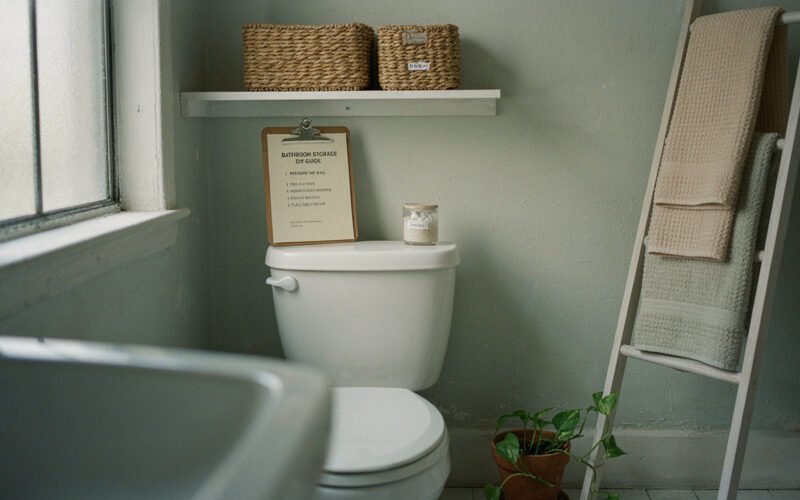
Start by using the available vertical space. Wall-mounted shelves can hold towels, toiletries, and decorative items while keeping the floor clear. Over-the-toilet storage can also provide useful space in smaller bathrooms.
Another option is to improve storage inside existing cabinets. Small organizers can separate cleaning supplies, personal-care products, and spare items. This makes frequently used products easier to find.
If your bathroom has an unused corner, consider a narrow storage cabinet or floating shelves. Choose moisture-resistant materials because bathrooms regularly experience humidity.
Additionally, avoid filling every available space with storage. A bathroom should remain easy to clean and move around. Keep everyday items accessible while storing less frequently used products elsewhere.
When planning an upgrade, think about how your household actually uses the bathroom. A family bathroom may need more towel and toiletry storage, while a guest bathroom may benefit more from simple, open shelving.
The best storage solution is not necessarily the largest one. Instead, it should make everyday routines easier while keeping the room organized.
4. Refresh Surfaces With Paint, Mirrors, and Small Details
You can often create a significant visual improvement by refreshing bathroom surfaces. Paint is one of the simplest options, but choose a product designed for areas with moisture and humidity.
Before painting, repair damaged surfaces and clean the walls thoroughly. Allow the area to dry before applying new paint. Light colors can help a small bathroom feel more open, although the best color depends on your existing fixtures and natural light.
A new mirror can also make a noticeable difference. Larger mirrors can visually expand a compact bathroom, while framed mirrors can introduce more character.
Next, look at smaller details. Replace damaged towel hooks, worn bath mats, outdated cabinet pulls, or old shower curtains. These changes may seem minor, yet they can make the bathroom look more finished.
You can also add simple decorative touches, such as a small plant that tolerates bathroom conditions or an attractive storage basket. Keep decorations practical and avoid items that can easily collect moisture or create cleaning problems.
Most importantly, deal with damaged surfaces before focusing on appearance. A fresh coat of paint cannot solve a leaking pipe, persistent moisture problem, or structural damage.
Conclusion
A bathroom upgrade does not have to involve a costly full renovation. With the right priorities, you can improve the room through practical fixture replacements, better lighting, improved ventilation, useful storage, and refreshed surfaces. Start with problems that affect safety, moisture control, or daily convenience. Then move toward cosmetic improvements that match your budget and personal style. This approach makes home upgrading advice mintpalment more practical because it focuses on improvements that solve real household needs. Before beginning a project, measure your space, check product compatibility, and understand when professional help is necessary. Small, carefully planned changes can make a bathroom more comfortable, functional, and appealing for years to come.
Frequently Asked Questions
1. What is the easiest bathroom upgrade to make?
Replacing outdated hardware, faucets, lighting, or a mirror can provide a noticeable improvement without major construction. Choose upgrades that fit your existing bathroom and do not require unnecessary plumbing or structural changes.
2. How can I upgrade a bathroom on a small budget?
Start with affordable changes such as new cabinet handles, fresh moisture-resistant paint, updated lighting, a new shower curtain, storage organizers, or improved bathroom accessories. Prioritize changes that solve an actual problem.
3. How can I make a small bathroom look bigger?
Use light colors, improve lighting, reduce clutter, and consider a larger mirror. Wall-mounted storage can also free up floor space and make the room feel less crowded.
4. Is bathroom ventilation really important?
Yes. Bathrooms produce significant moisture from showers and baths. Good ventilation helps remove humid air and can reduce condensation and moisture-related problems.
5. Should I replace bathroom fixtures before painting?
It depends on the project. If you are replacing fixtures that could damage or mark painted surfaces, complete those installations first and then touch up or paint afterward.
6. How can I improve bathroom storage without remodeling?
Use floating shelves, wall-mounted organizers, over-the-toilet storage, drawer dividers, and narrow cabinets. These solutions can add useful storage without changing the bathroom layout.
7. Are LED lights suitable for bathrooms?
LED lighting can be a practical choice because it is energy efficient and available in many brightness levels. However, bathroom electrical fixtures should be appropriately rated for their location and installed according to local safety requirements.
8. When should I hire a professional for a bathroom upgrade?
Consider professional help when a project involves significant plumbing, electrical work, structural changes, waterproofing, or persistent leaks. Professional installation can help prevent expensive mistakes and safety problems.