

Improving your home does not always require a major renovation or a large budget. In fact, some of the most effective upgrades are simple, affordable, and easy to complete over time. If you want to raise your home’s value without overspending, the key is to focus on changes that improve appearance, function, and long-term appeal. Buyers and appraisers notice homes that feel clean, well maintained, and thoughtfully updated. That means even small improvements can make a strong impression.
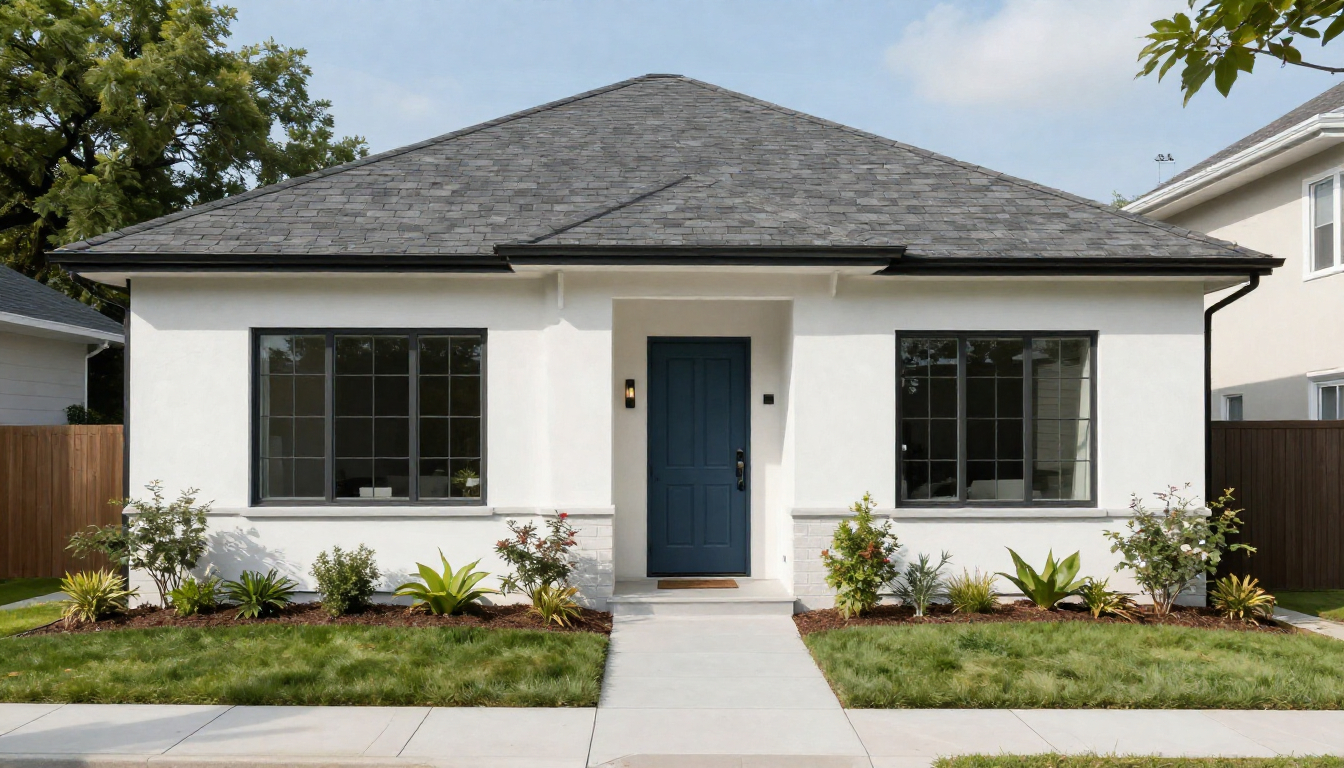
One of the best places to start is with curb appeal. The outside of your home creates the first impression, and it often shapes how people feel before they even step inside. A fresh coat of paint on the front door, trimmed landscaping, clean walkways, and updated house numbers can instantly make a property look more polished. These projects are usually inexpensive, but they can have a big impact. If your budget allows, consider replacing old outdoor light fixtures or adding simple planters near the entrance. These details help your home look cared for and inviting.
Inside the home, paint is one of the most cost-effective ways to add value. Neutral colors such as soft gray, warm beige, and clean white appeal to a wide range of buyers. They also make rooms feel brighter and more spacious. Painting a room is a project many homeowners can do themselves, which keeps costs low. If your walls are marked, faded, or painted in bold colors, a fresh coat can completely change the feel of the space. This is especially useful in living rooms, bedrooms, and hallways where first impressions matter most.
Kitchen updates are another smart way to improve value on a budget. You do not need a full remodel to make the kitchen more attractive. Simple changes like replacing cabinet hardware, updating the faucet, installing a modern backsplash, or adding better lighting can make the room feel newer. If your cabinets are in good shape, painting them instead of replacing them can save a lot of money. Even small improvements in the kitchen can make the space feel more functional and appealing. Since the kitchen is one of the most important rooms in a home, buyers often pay close attention to it.
Bathrooms also offer strong value when updated carefully. Like kitchens, they do not always need expensive renovations. Replacing an old mirror, installing a new vanity light, changing worn fixtures, and re-caulking around the tub or sink can make the bathroom look cleaner and more modern. A new shower curtain, fresh towels, and updated accessories can also improve the overall appearance. If the bathroom floor or tile is outdated but still in decent condition, deep cleaning and minor repairs may be enough to improve the space without a full remodel.
Another important area to focus on is flooring. Worn carpet, scratched wood, or damaged tile can make a home feel older than it really is. If replacing flooring is not in the budget, consider deep cleaning carpets, refinishing hardwood, or using area rugs to cover problem spots. Clean, well-maintained floors help a home feel more valuable and move-in ready. Buyers often notice flooring right away, so even modest improvements can make a difference.
Storage and organization also matter. Homes that feel cluttered or cramped often seem less valuable, even if they are well built. Adding shelves, closet organizers, or simple storage solutions can help rooms feel larger and more useful. In kitchens, bathrooms, and entryways, better organization creates a sense of order that buyers appreciate. If you are preparing to sell, removing excess furniture and personal items can also make the home feel more open. Sometimes the best upgrade is not adding something new, but making the existing space easier to use.
Energy efficiency is another budget-friendly way to increase value. Many buyers like homes that are cheaper to maintain and more comfortable to live in. Simple upgrades such as LED bulbs, weather stripping, a programmable thermostat, and better insulation can improve efficiency without costing much. Sealing air leaks around windows and doors is especially helpful because it can reduce energy loss and improve comfort right away. These improvements may not be flashy, but they show that the home has been cared for and updated with practical needs in mind.
Regular maintenance should never be overlooked. A home with small repairs left undone can lose value quickly. Fixing leaky faucets, repairing cracked caulk, replacing broken tiles, and servicing HVAC systems all help protect your investment. Buyers often see maintenance as a sign that the home has been well managed. On the other hand, visible neglect can raise concerns about hidden problems. Staying ahead of repairs is one of the smartest ways to preserve and increase value over time.
If you want to make the most of a limited budget, create a plan before starting any project. Focus first on repairs and improvements that affect safety, appearance, and daily function. Then move on to cosmetic updates that make the home feel fresh and modern. Avoid spending too much on highly personal design choices that may not appeal to future buyers. Instead, choose upgrades that are simple, clean, and timeless.
Increasing home value on a budget is all about making smart decisions. You do not need to transform every room or spend thousands of dollars to see results. By improving curb appeal, refreshing paint, updating key rooms, maintaining the home, and choosing practical upgrades, you can create a space that feels more attractive and valuable. Small changes, when done well, often deliver the best return.